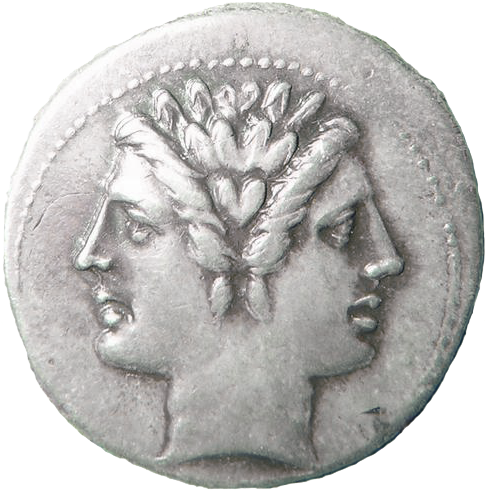

A History Psychologist is a forum for exploring the intersections of psychology and history. Historical and contemporary events are interpreted through the lens of psychological research and theory. Additionally, psychological research and theory are placed in the context of the historical periods in which they were presented. The first, second, and third postings deal with the recent U. S. Supreme Court Ruling on Affirmative Action. Future postings will examine such historical events as slavery, the American Civil War, the holocaust, the rise of labor unions, populism, great and not so great U. S. Presidents, the Civil Rights movement, the rise and fall of organized religion, causes and effects of wars, fads, fads and fashions, gun control, abortion, epidemics, disasters, and right and left wing political movements. How can contemporary psychological research and theory on emotions, belief systems, personality, thinking, social behavior, and other topics explain the past and what is happening now? And how is psychology shaped by history? Do emotions and other aspects of human behavior (e.g., romantic love) persist over time or do we have to situate them in particular times and places? How are historical accounts shaped by human memory? How can psychology help us understand the ways that elites have used human history to manipulate and control the masses? These are a few of the questions that I hope to address in the future in A History Psychologist. Please suggest other topics.
Menu: